aval is not a Montreal suburb: it is an island. Île Jésus, 247 km² wedged between the Rivière des Prairies and the Rivière des Mille Îles, granted to the Jesuits in 1636 — hence the name — and farmland until the postwar boom poured Montreal families onto it. In 1965 the province merged fourteen municipalities that had almost nothing in common, and Laval was born as Quebec's third-largest city without ever having had a downtown.
You can still hear that in the geography. Chomedey and its Greek, Armenian and Lebanese tables. The old village of Sainte-Rose and its stone houses along the water. Sainte-Dorothée and its greenhouses, Quebec's horticultural capital. Saint-Vincent-de-Paul and its former penitentiary. Six sectors, fourteen neighbourhoods, as many accents: close to a third of Laval residents were born abroad.
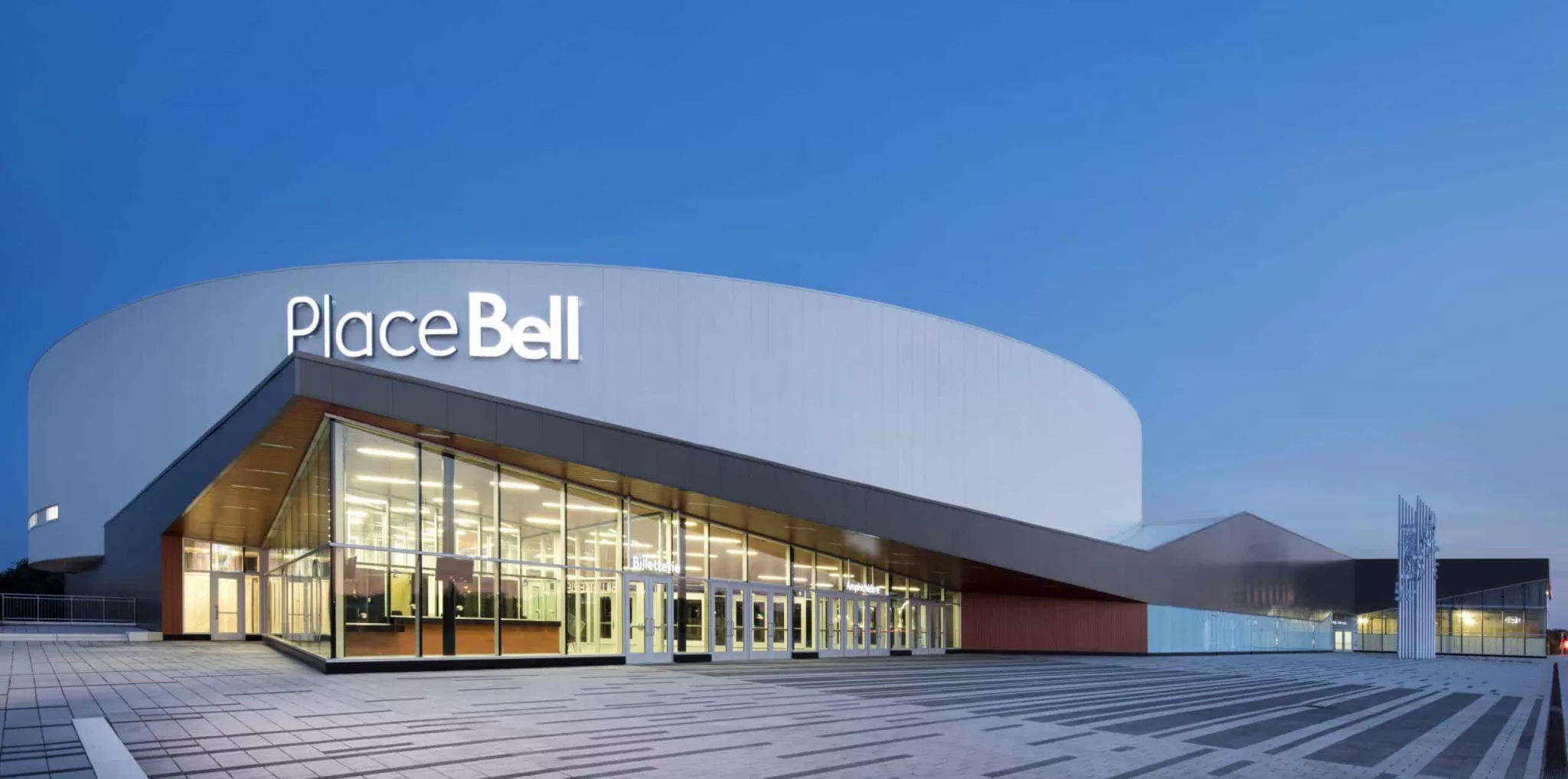
Since 2007, three metro stations have put downtown Montreal twenty minutes away, and the district that grew around Montmorency — Place Bell, home to the Rocket and the Montreal Victoire, Espace Montmorency, the college — is turning into the downtown the city never had.
The rest comes down to water and green: 100 km of shoreline, Parc de la Rivière-des-Mille-Îles and its canoes threading between islands, the Centre de la nature built into a former quarry, the Cosmodôme for kids who want to be astronauts, and the Saveurs de Laval farm stands in August, when the corn comes out of fields ten minutes from the metro.